Best Mango Varieties in India
Introduction
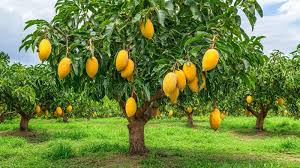
Mango is a large evergreen long lived fruit tree and one of the most important tropical fruit crops worldwide. It belongs to cashew family (Anacardiaceae), and native to South Asia. Mango tree can grow up to 30–40 m tall, live for centuries, and produces fleshy drupes with a single large seed. Mangoes are highly seasonal (March–July depending on variety).
India is home to over 1,000 mango varieties, but the most notable ones include Alphonso, Kesar, Dasheri, Langra, Banganapalli, and Imam Pasand. Each prized for its unique flavor, aroma, and texture. Gujarat’s Kesar and Maharashtra’s Alphonso are especially famous worldwide for their sweetness and saffron-colored pulp.
Mango is the national fruit of India, Pakistan, and the Philippines; mango tree is the national tree of Bangladesh.
Botanical Description of Mango (Mangifera indica)
- Kingdom: Plantae
- Order: Sapindales
- Family: Anacardiaceae (Cashew family)
- Genus: Mangifera
- Species: Mangifera indica L.
- Inflorescence: Large terminal panicles
- Fruit type: Fleshy drupe (stone fruit).
- First fruiting of mango: 2–4 years after planting (grafted trees). Its productive life ranges from 40–50 years, though some trees fruit for over 300 years.
Best varieties in India
Followings are considered best varieties in India. These are listed with their origin, season and key features:
Variety Origin Season Key Features Alphonso (Hapus) Ratnagiri & Devgad (Maharashtra) March–May Known as the King of Mangoes. Rich, buttery, non-fibrous pulp, saffron hue, strong aroma. Premium export variety. Kesar Junagadh, Gir (Gujarat) April–June Called the Queen of Mangoes. Sweet with mild tang, deep orange pulp, fragrant aroma. Ideal for desserts. Dasheri Malihabad (Uttar Pradesh) May–July Long, oval, fibre-free, extremely sweet. Smooth texture, staple in North India. Langra Varanasi (U.P.), Bihar June–July Stays green even when ripe. Juicy, tangy, aromatic. Cult favorite in North India. Banganapalli (Safeda/Benishan) Andhra Pradesh, Telangana April–June Large-sized, smooth yellow skin, fibre-free flesh, sweet pulp. GI-tagged variety. Imam Pasand (Himayat) Tamil Nadu, Andhra Pradesh May–June Intensely sweet, creamy, almost fibre-free. Thin skin, floral aroma. Considered a royal mango. Malgova (Malgoa) Tamil Nadu, Karnataka June–July Very sweet, thick pulp, buttery texture, minimal fibre. Heavy fruit (500–800 g), long shelf life. Chausa Uttar Pradesh, Bihar June–July Very sweet, juicy, “squeeze-mango” type. Popular for its refreshing taste. Raspuri Karnataka May–June Juicy, sweet-tangy, perfect for juice & pulp. Widely grown in Bengaluru region. Totapuri Tamil Nadu, Karnataka, Andhra Pradesh May–July Easily recognized by beak-like tip. Tangy taste, used in pickles, purees, drinks.
State-wise important Mango Varieties
State/Region Famous Variety Harvest Season Key Traits Maharashtra (Ratnagiri, Devgad) Alphonso (Hapus) March–May Rich, buttery, saffron pulp, premium export mango. Gujarat (Junagadh, Gir) Kesar April–June Deep orange pulp, sweet with mild tang, fragrant aroma. Uttar Pradesh (Malihabad, Varanasi) Dasheri, Langra, Chausa May–July Dasheri – fibre-free, sweet; Langra – tangy, green skin; Chausa – juicy “squeeze mango.” Andhra Pradesh & Telangana Banganapalli (Safeda), Imam Pasand April–June Banganapalli – large, fibre-free; Imam Pasand – creamy, floral aroma, royal taste. Tamil Nadu Malgova, Totapuri, Imam Pasand May–July Malgova – heavy, buttery pulp; Totapuri – tangy, pickle/pulp industry. Karnataka (Bengaluru, Ramanagara) Raspuri, Totapuri May–June Raspuri – juicy, sweet-tangy; Totapuri – tangy, industrial use. Bihar Langra, Chausa June–July Juicy, tangy, popular in North India. West Bengal Himsagar, Lakshmanbhog May–June Himsagar – fibreless, aromatic; Lakshmanbhog – GI-tagged, sweet pulp. Kerala Neelam, Sindooram June–August Neelam – late-season, long shelf life; Sindooram – reddish skin, sweet pulp.
Newly Developed Mango Varieties
Amrapali, Mallika, and Salem Alphonso are hybrids bred for higher yield, disease resistance, and better shelf life. These varieties are especially important for commercial orchards and export markets.
Several newly developed varieties along with their key features are listed below.
Variety Developed By Parentage Key Features Amrapali IARI, New Delhi Dasheri × Neelum Dwarf tree, ideal for high-density planting (400–600 trees/acre). Regular bearer, late-season, deep red-green skin, sweet pulp. Shelf life 2–3 weeks. Mallika IARI, New Delhi Neelum × Dasheri Mid-season hybrid. Excellent flavour (spicy-sweet), fibreless pulp, high TSS (sugar content). Popular for export. Ratna Konkan region Neelum × Alphonso Resistant to spongy tissue (common in Alphonso). Medium-sized fruit, good flavour, suitable for processing. Sindhu Konkan region Ratna × Alphonso Fibreless, sweet pulp, small seed (high pulp recovery). Excellent for juice/pulp industry. Salem Alphonso (South Indian Alphonso) Tamil Nadu (Salem belt) Selection from Alphonso Juicier than Ratnagiri Alphonso, saffron-yellow pulp, balanced tang-sweet flavour. Increasingly popular in Chennai, Bengaluru, Gulf markets. Kalapadi (Kalapatti) Tamil Nadu (Salem) Local hybrid Mildly sweet, thin skin, low fibre, balanced sweet-tangy taste. Late-season harvest. Arka Aruna IIHR, Bengaluru Banganapalli × Alphonso Regular bearing, medium-sized fruit, attractive colour, good flavour. Arka Puneet IIHR, Bengaluru Arka Aruna × Alphonso Bright red blush, fibreless pulp, high TSS, excellent table variety. Arka Neelkiran IIHR, Bengaluru Neelum × Alphonso Attractive red-yellow fruit, sweet pulp, disease-resistant.
Important Facts
- Luxury Mangoes: Alphonso & Imam Pasand (export quality, premium pricing).
- Mass Favorites: Dasheri, Langra, Chausa (widely consumed in North India).
- Regional Pride: Kesar (Gujarat), Banganapalli (Andhra), Raspuri (Karnataka).
- Utility Mangoes: Totapuri (pickles, pulp industry).
- Shelf Life: Malgova and Neelam varieties last longer, making them suitable for transport/export.
- GI Tags: Alphonso (Maharashtra), Kesar (Gujarat), Banganapalli (Andhra), Lakshmanbhog (West Bengal).
- Seasonality: Early (Alphonso, March), Mid (Kesar, April–May), Late (Langra, Chausa, June–July).
- Utility vs Luxury: Totapuri (industrial use) vs Alphonso/Imam Pasand (luxury).
- Amrapali: most important for high-density orchards.
- Mallika: known as the “flavour queen” hybrid.
- Sindhu: pulp industry favourite (small seed, high recovery).
- Ratna: improved Alphonso, resistant to spongy tissue.
See Also…
CLASSIFICATION OF HORTICULTURAL PLANTS
Acid Present in Fruits & Vegetables
Medicinal Plants and Their Usage