Farmer Markets: The Rise of Local Food Systems
Introduction
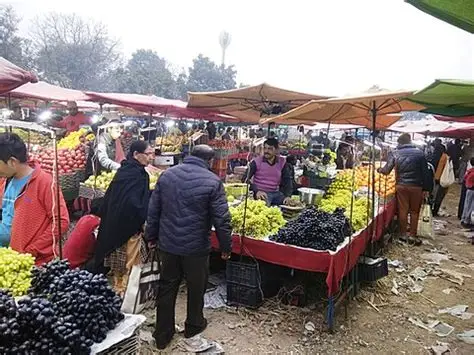
Farmer markets are the cornerstone of localized food systems. They bypass traditional middlemen, allowing growers to sell produce directly to consumers. This model boosts regional economies, ensures access to fresh foods, and significantly shrinks carbon footprints by drastically reducing “food miles”.
Key points are:
- Farmer markets are local marketplaces where producers sell directly to consumers.
- They strengthen rural economies by cutting out middlemen and ensuring farmers get fair returns.
- Promote community engagement and awareness of sustainable agriculture.
- Encourage local food systems, reducing dependence on imports and long supply chains.
- Rise of local food systems: Farmers’ markets are driving a global shift toward decentralized, community-based agriculture. They bypass complex commercial supply chains to connect producers directly with consumers.
Core Drivers of Growth
- Consumer Demand: There are higher demands of fresher, nutrient-dense, and chemical-free food options.
- Economic Transparency: Consumers are conscious and want to know exactly where their food money goes.
- Environmental Awareness: People want to reduce the carbon footprint of long-distance shipping.
Benefits of Farmer Markets
Transitioning away from globalized, industrialized supply chains toward localized agriculture provides several structural and community benefits:
- Economic Fairness: Small-scale producers retain nearly 100% of their sales, bypassing traditional distribution margins where farmers see only a fraction of the consumer money.
- Environmental Sustainability: Regional sourcing cuts down on extensive packaging, refrigeration, and long-haul transport, which are major contributors to greenhouse gas emissions.
- Community Resilience: Localized supply chains act as a buffer against broader global food disruptions; ensuring residents maintain access to diverse, nutritious, and culturally relevant foods. Traditional crops and local varieties gain visibility which acts as cultural preservation.
- Food Equity: Programs like Rythu Bazars in states like Telangana demonstrate how government-backed farmers’ markets eliminate middlemen, stabilize prices, and make essential fresh food accessible.
Benefits to Stakeholders
For Consumers
- Fresher, seasonal and Healthier food: Produce is harvested at optimal ripeness, often hours before sale. Availability of organic produce promotes health-conscious consumption and sustainable farming.
- High Nutrition: Shorter travel times preserve vitamins and antioxidants.
- Food Education: Shoppers talk directly with growers about farming practices and recipes.
For Farmers
- Direct farmer-to-consumer sales: Higher income for farmers, lower costs for buyers. Producers retain 100% of the retail price by eliminating wholesalers. Farmers avoid exploitation by intermediaries; consumers get transparent value. For example, Gujarat has promoted “Apni Mandis” and weekly haats where farmers sell directly.
- Cash Flow: Immediate cash sales provide predictable, quick revenue.
- Market Testing: Small-scale growers can test new crops with minimal financial risk.
For Communities
- Economic Retention: Money stays within the local economy, supporting neighbouring businesses.
- Social Hubs: Markets transform public spaces into vibrant, active community gathering points.
- Food Access: Many markets accept food assistance benefits, expanding healthy options for low-income residents.
- Employment Generation: Supports rural youth and women entrepreneurs.
Challenges
- Weather Dependency: Bad weather can severely disrupt seasonal outdoor market schedules.
- Higher Prices: Local, small-scale production often costs more than subsidized supermarket staples.
- Logistical Limits: Farmers must balance field labour with the time needed to staff market stalls.
See Also:
Sustainable Agriculture in India
What Are the Best Products for Increasing Farm Productivity